Categories
Camera Reviews

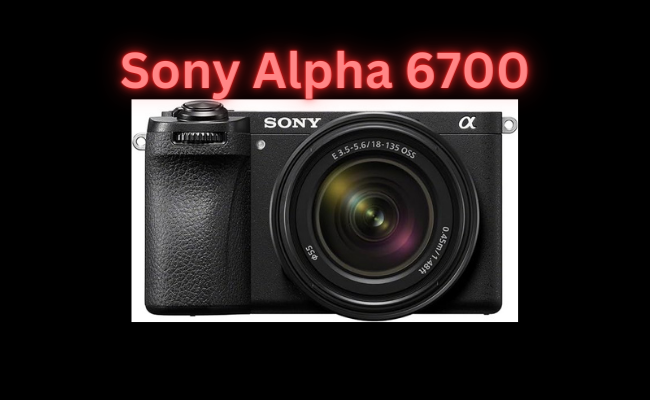
Sony Alpha 6700

Introduction: Sony Alpha 6700

Welcome to my Sony Alpha 6700 Review. In this review, we will review the Sony Alpha 6700 and find out if it is the right product for you. Let us begin!

In the rapidly evolving landscape of digital cameras, the Sony Alpha 6700 asserts itself as a strong contender within the highly competitive mirrorless category. This comprehensive review aims to provide an unbiased and in-depth analysis of the Sony Alpha 6700, dissecting its design, specifications, performance, battery life, and presenting an objective view of its pros and cons, along with a critical evaluation of its value for money.


Sony Alpha 6700
Sony Alpha 6700
Auto Focus TechnologyFace Detection, Eye Detection
Display Resolution Maximum1.03M Pixels
Photo Sensor SizeAPS-C
Photo Sensor TechnologyCMOS
Effective Still Resolution26 MP
Maximum Webcam Image Resolution26 MP
Self Timer Duration10 Seconds
Image StabilizationOptical
Flash Sync Speed1/160 second
Video Capture FormatXAVC
Video Capture Resolution2160p
Video StandardAVCHD
Viewfinder Magnification1.07x
Viewfinder TypeElectronic
Screen Size3 Inches
Display TypeLCD
Display Fixture TypeArticulating
Batteries Required?Yes
Number of Batteries1 Lithium Ion batteries required. (included)
Are Batteries IncludedYes
Rechargeable Battery IncludedYes
Battery Cell CompositionLithium Ion
Battery Weight3 Ounces
Target GenderUnisex
Connectivity TechnologyWi-Fi
Continuous Shooting Speed11 fps
Wireless Communication TechnologyWi-Fi
Memory Slots Available1
Special FeatureFace Detection
Skill LevelProfessional
Form FactorMirrorless
Diaphragm Blades7
Photo Sensor TechnologyCMOS
Best Place to BuyBuy on Amazon
Sony Alpha 6700 Specifications

Design and Build Quality: Sony Alpha 6700

The Sony Alpha 6700 adheres to the sleek design philosophy intrinsic to its Alpha series. Crafted from magnesium alloy, the camera offers a robust and lightweight feel. The ergonomic grip ensures a secure hold during extended shoots, with intuitive button placement enhancing user experience. Customizable function buttons further add to the camera’s user-friendly design.

Specifications

Under the hood, the Sony Alpha 6700 boasts a 24.2-megapixel APS-C Exmor CMOS sensor coupled with the BIONZ X image processor. This combination promises exceptional image quality and low-light performance. Moreover, with a wide ISO range, users can confidently shoot in varying lighting conditions. Furthermore, the autofocus system is a standout feature, boasting 425 phase-detection points, ensuring rapid and precise subject acquisition. Additionally, for videographers, the camera supports 4K recording at 30fps, delivering high-quality video output.


Performance: Sony Alpha 6700

Image Quality

The Sony Alpha 6700 delivers commendable image quality, characterized by sharp details and vibrant colors. The camera’s dynamic range is noteworthy, adept at capturing both highlights and shadows effectively. Its low-light performance shines, producing usable images even at higher ISO settings.

Autofocus

The autofocus system is a highlight, particularly for photographers capturing moving subjects. The 425-phase detection points contribute to the camera’s exceptional speed and accuracy, making it well-suited for sports and wildlife photography.

Video Performance

Videographers will undoubtedly appreciate the 6700’s 4K video recording capabilities. Notably, it features full pixel readout and no pixel binning, ensuring high-quality footage with minimal artifacts. Additionally, the inclusion of S-Log2 and S-Log3 profiles provides unparalleled flexibility for post-production color grading.
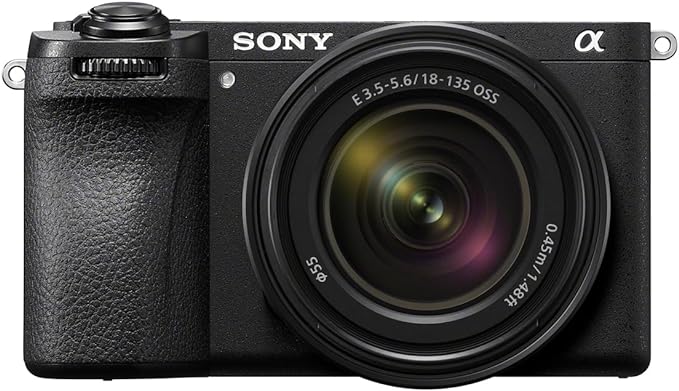
Sony Alpha 6700

Battery Life: Sony Alpha 6700

The battery life of the Sony Alpha 6700 is a crucial aspect, especially for users engaged in prolonged shooting sessions. While the camera features a decent battery, heavy users may find the need for an extra battery during prolonged shooting sessions. This consideration becomes essential for professionals and enthusiasts who rely on extended periods of use without the opportunity for frequent recharging.


Connectivity: Sony Alpha 6700

In terms of connectivity, the Sony Alpha 6700 offers a comprehensive range of options to suit the needs of modern photographers. Firstly, the camera features built-in Wi-Fi and Bluetooth, allowing seamless wireless transfer of images to smart devices for quick sharing and remote control functionality. Moreover, the inclusion of a USB-C port and HDMI output adds to the camera’s versatility. This facilitates high-speed data transfer and external monitor connections, respectively, enhancing the overall usability of the device. These connectivity features enhance the overall user experience and cater to the demands of a tech-savvy audience.
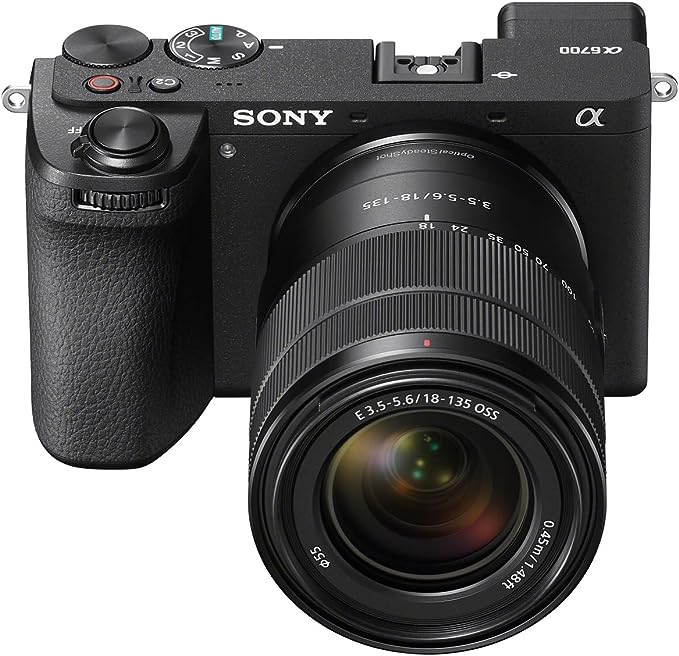
Sony Alpha 6700 2

Viewfinder and Display: Sony Alpha 6700

The Sony Alpha 6700, with its high-resolution electronic viewfinder (EVF), offers a clear, detailed preview, aiding in composition and focus. The tilting touchscreen LCD is a valuable asset, allowing for flexible shooting angles and convenient menu navigation. The quality of the EVF and LCD contributes significantly to the overall usability of the camera.


Weather Sealing: Sony Alpha 6700

For photographers venturing into diverse environments, the Alpha 6700 offers weather-sealing, providing protection against dust and moisture. This feature adds to the camera’s durability and reliability, ensuring it can withstand the rigors of outdoor shooting conditions.
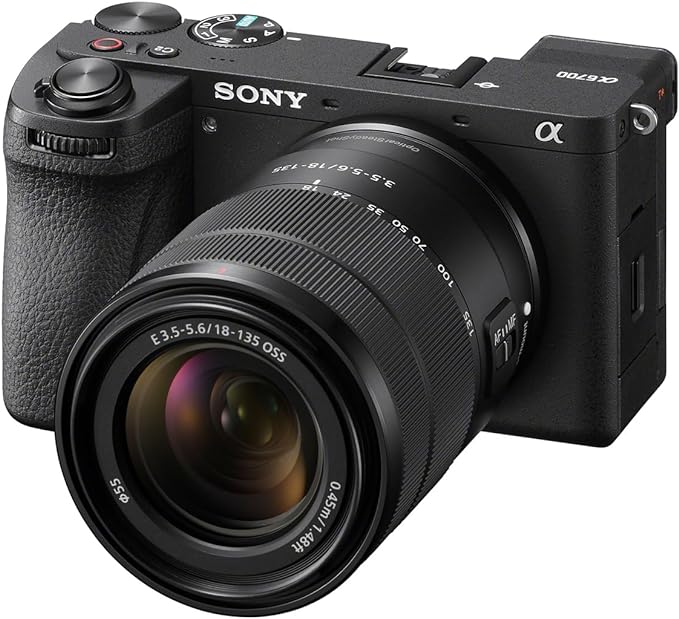
Sony Alpha 6700

Additional Features: Sony Alpha 6700

  1. Enhanced User Interface: The intuitive menu and user interface ease the shooting experience, especially for those transitioning from other Sony Alpha models.
  2. Creative Shooting Modes: The inclusion of creative shooting modes, such as multiple exposure and panorama, provides users with tools to explore their artistic expression.
  3. Wireless Flash Control: The ability to control compatible wireless flashes directly from the camera enhances the versatility of the Alpha 6700 for advanced lighting setups.

Value for Money: Sony Alpha 6700

The Sony Alpha 6700, priced competitively within its segment, offers a compelling package of features and performance. Its sophisticated autofocus system, 4K video capabilities, and impressive image quality contribute to a high-value proposition. However, potential buyers should assess their specific needs and compare the camera’s attributes against alternatives in a similar price range. Evaluating factors like included accessories, warranty, and ongoing support can further determine the overall value for money.
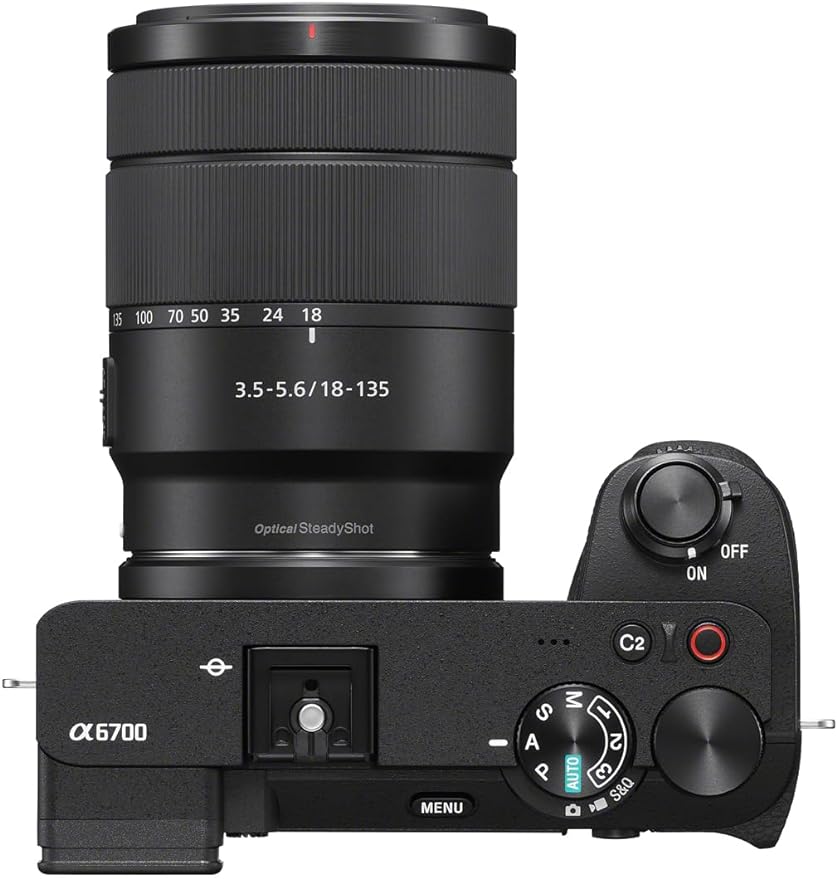
Sony Alpha 6700

Pros and Cons:

Pros:

  1. Fast and Accurate Autofocus: The 6700’s autofocus system excels in capturing moving subjects with speed and precision, a boon for dynamic photography.
  2. Excellent Low-Light Performance: Usable images in challenging lighting conditions showcase the camera’s impressive low-light capabilities.
  3. 4K Video Recording: Videographers benefit from the 6700’s ability to capture high-quality 4K video with detailed images and vibrant colors.
  4. Customizable Controls: Intuitive button layout and customizable function buttons enhance user experience, allowing photographers to tailor the camera to their preferences.

Cons:

  1. Limited Touchscreen Functionality: While responsive, the touchscreen’s functionality is somewhat restricted compared to competitors in the same price range.
  2. Battery Life: While decent, heavy users may find the need for an extra battery during prolonged shooting sessions.
  3. No In-Body Image Stabilization (IBIS): The absence of in-body image stabilization may be a drawback for handheld shooting in challenging conditions.

Customer Reviews:

Positive Feedback:

  1. Autofocus System: Users praise the autofocus system, highlighting its speed and accuracy, especially in dynamic shooting situations.
  2. Build Quality: The robust build quality and comfortable grip receive positive remarks, expressing satisfaction with the camera’s durability.
  3. Image Quality: Customers appreciate the camera’s image quality, noting the sharpness, vibrant colors, and impressive dynamic range.

Negative Feedback:

  1. Limited Touchscreen Functionality: Some users express disappointment in the touchscreen’s limited functionality, expecting more advanced features for smoother operation.
  2. Battery Life: A common concern among users is the battery life, especially for those engaged in prolonged shooting sessions, prompting the need for additional batteries.
  3. Lack of IBIS: Some users lament the absence of in-body image stabilization, particularly when shooting without a tripod in challenging conditions.

Conclusion:

The Sony Alpha 6700 stands out in the mirrorless camera market with its compelling blend of features, performance, and build. While catering to a diverse range of users, it’s essential for potential buyers to weigh their specific needs against the camera’s strengths and weaknesses. The 6700 proves itself as a versatile tool for capturing high-quality stills and videos, standing out as a reliable choice for enthusiasts and professionals alike. Its value for money is solid, provided users align their expectations with their creative requirements and budget considerations.

Thanks For Reading!

I would like to take this opportunity to thank you for reading this Sony Alpha 6700 Review for 2024. In this article, I hope it has provided you with information to decide whether this machine is perfect for you. I do trust you found out if this will deliver everything you need a great piece of technology to deliver. At the very most I hope this Sony Alpha 6700 Review was enjoyable to read. Thanks again!

Want to check out my other reviews go to https://thetechworldguru.com/category/camera-reviews/ for more reviews.
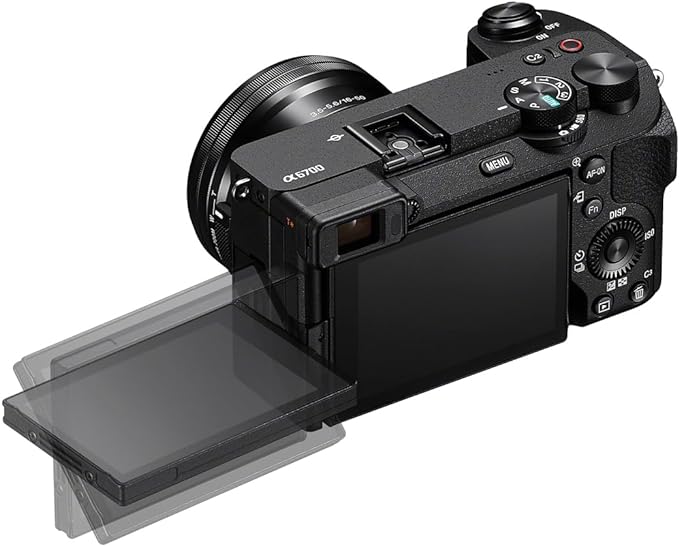
Sony Alpha 6700 5
Auto Focus TechnologyFace Detection, Eye Detection
Display Resolution Maximum1.03M Pixels
Photo Sensor SizeAPS-C
Photo Sensor TechnologyCMOS
Effective Still Resolution26 MP
Maximum Webcam Image Resolution26 MP
Self Timer Duration10 Seconds
Image StabilizationOptical
Flash Sync Speed1/160 second
Video Capture FormatXAVC
Video Capture Resolution2160p
Video StandardAVCHD
Viewfinder Magnification1.07x
Viewfinder TypeElectronic
Screen Size3 Inches
Display TypeLCD
Display Fixture TypeArticulating
Batteries Required?Yes
Number of Batteries1 Lithium Ion batteries required. (included)
Are Batteries IncludedYes
Rechargeable Battery IncludedYes
Battery Cell CompositionLithium Ion
Battery Weight3 Ounces
Target GenderUnisex
Connectivity TechnologyWi-Fi
Continuous Shooting Speed11 fps
Wireless Communication TechnologyWi-Fi
Memory Slots Available1
Special FeatureFace Detection
Skill LevelProfessional
Form FactorMirrorless
Diaphragm Blades7
Photo Sensor TechnologyCMOS
Best Place to BuyBuy on Amazon
Sony Alpha 6700 Specifications
Disclosure:

In 2015, the Federal Trade Commission released its new rules for Disclosure Compliance. These rules are set in place to ensure that readers or viewers of web media (blogs, YouTube videos, etc.) know if the blogger/presenter is sponsored, endorsed, or partnered with a different company. In blog terms, the readers need to know if the blogger is making money by sharing a link or product.

In compliance with the FTC guidelines, please assume the following about links and posts on this site: Any/all of the links https://thetechworldguru.com/​ are affiliate links of which I receive a small compensation from sales of certain items.

Categories
Camera Reviews

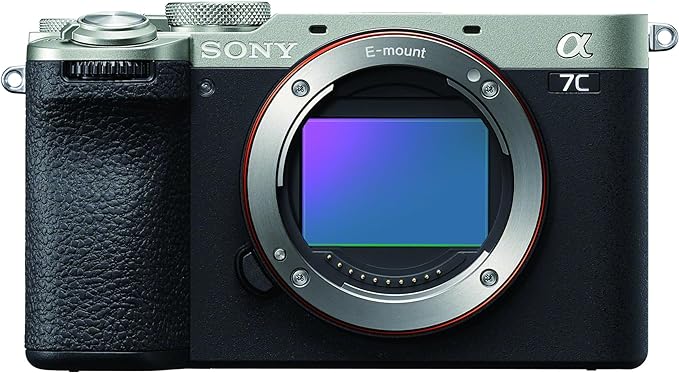
Alpha 7 C

Introduction: Sony Alpha 7 C Review

Welcome to my Sony Alpha 7 C Review. In this review, we will review the Sony Alpha 7 C and find out if it is the right product for you. Let us begin!

The Sony Alpha 7 C has been making waves in the photography community since its release. As a compact full-frame mirrorless camera, it promises a combination of portability and powerful performance. In this comprehensive review, we’ll delve into the various aspects of the Sony Alpha 7 C, from its design and build quality to its imaging capabilities, focusing on both the positive and negative aspects.


Sony Alpha 7 C Review

Sony Alpha 7 C Review
Auto Focus TechnologyContrast Detection
Photo Sensor SizeFull Frame (35mm)
Photo Sensor TechnologyCMOS
Effective Still Resolution33 MP
Maximum Webcam Image Resolution33 MP
Image StabilizationSensor-Shift
Flash Sync Speed1/160 Sec
Video Capture FormatXAVC
Video Capture Resolution2160p
Viewfinder Magnification0.70x
Viewfinder TypeElectronic
Screen Size3 Inches
Display TypeLCD
Display Fixture TypeArticulating
Lens TypeWide Angle
Optical Zoom4
Autofocus Points759
Compatible MountingsSony E
Focus TypeManual Focus, Auto Focus
Batteries Required?Yes
Number of Batteries1 Lithium Ion batteries required. (included)
Are Batteries IncludedYes
Rechargeable Battery IncludedYes
Battery Cell CompositionLithium Polymer
Battery Weight3 Ounces
Target GenderUnisex
Connectivity TechnologyBluetooth, Wi-Fi
Continuous Shooting Speed10 fps
Wireless Communication TechnologyBluetooth, Wi-Fi
Special FeatureFace Detection
Skill LevelAmateur
Form FactorMirrorless
Photo Sensor TechnologyCMOS
Best Place to BuyBuy on Amazon
Sony Alpha 7C Review Specifications

Design and Build Quality: Sony Alpha 7 C Review

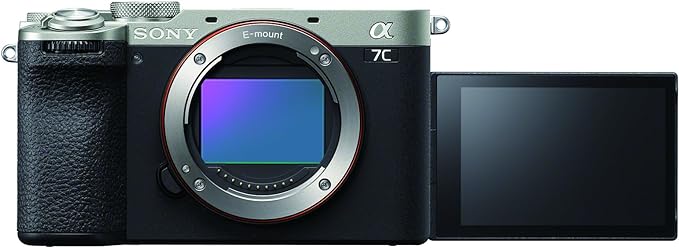
One of the standout features of the Sony Alpha 7 C is its compact and lightweight design. Weighing in at just under 1 lb (453g) with the battery included, it challenges the conventional notion that full-frame cameras must be bulky. The camera’s magnesium alloy body adds a premium feel while maintaining durability. The minimalist design is both stylish and functional, with well-placed controls that enhance user experience. However, some users might find the grip less comfortable during prolonged use, especially if they have larger hands.


Performance: Sony Alpha 7 C Review

The Alpha 7 C boasts a 24.2-megapixel full-frame sensor, inheriting the imaging prowess seen in other Sony Alpha series cameras. The BIONZ X image processor ensures speedy performance and excellent low-light capabilities. Autofocus is fast and accurate, thanks to the 693-point phase-detection system that covers 93% of the frame. This makes it an ideal choice for both still photography and video recording.

Sony Alpha 7 C Review

Image Quality: Sony Alpha 7 C Review

The image quality produced by the Alpha 7 C is exceptional, capturing sharp details and vibrant colors. The dynamic range is commendable, allowing photographers to capture a wide range of tones in challenging lighting conditions. However, some users have reported a tendency for the camera to overheat during prolonged use in video mode, affecting the overall performance.


Video Capabilities: Sony Alpha 7 C Review

Sony has not compromised on video features with the Alpha 7 C. It supports 4K video recording at 30fps and offers various video profiles, including the flat S-Log2 and S-Log3 for enhanced post-production flexibility. The inclusion of a microphone input and headphone jack further elevates its appeal to videographers. However, the absence of 60fps in 4K mode might disappoint those looking for smoother motion in their videos.

Sony Alpha 7 C Review

Viewfinder and LCD: Sony Alpha 7 C Review

The electronic viewfinder (EVF) on the Alpha 7 C is sharp and clear, providing a lifelike preview of the scene. The 3-inch tilting LCD touchscreen is responsive and aids in framing shots from awkward angles. The touchscreen functionality is a welcome addition, but some users have noted that it could be more intuitive, especially when navigating menus.


Battery Life: Sony Alpha 7 C Review

Powered by the NP-FZ100 battery, the Alpha 7 C offers a decent battery life. However, some users have reported that the battery life is not as impressive as other cameras in its class, and carrying spare batteries might be necessary for extended shooting sessions.

Sony Alpha 7 C Review

Connectivity: Sony Alpha 7C Review

The Alpha 7 C is equipped with Wi-Fi and Bluetooth connectivity, enabling seamless file transfer and remote control through the Sony Imaging Edge app. The integration is smooth, but some users have experienced occasional connectivity issues, which could be addressed through firmware updates.


Pros and Cons: Sony Alpha 7C Review

Pros:

  1. Compact and Lightweight Design: The Alpha 7 C challenges the traditional notion of bulky full-frame cameras, making it an excellent choice for on-the-go photographers.
  2. Outstanding Image Quality: The 24.2-megapixel sensor and BIONZ X processor deliver sharp and vibrant images with an impressive dynamic range.
  3. Fast and Accurate Autofocus: The 693-point phase-detection system ensures quick and precise focusing, enhancing both still photography and video recording.
  4. Versatile Video Capabilities: With 4K recording at 30fps and various video profiles, the Alpha 7 C caters to the needs of videographers.
  5. Excellent Low-Light Performance: The camera’s low-light capabilities are noteworthy, producing clean and detailed images in challenging lighting conditions.

Cons:

  1. Grip Comfort: Some users with larger hands may find the grip less comfortable during prolonged use.
  2. Overheating in Video Mode: Prolonged use in video mode may lead to overheating issues, impacting the camera’s overall performance.
  3. Limited 4K Frame Rate: The absence of 60fps in 4K mode might disappoint users looking for smoother motion in their videos.
  4. Average Battery Life: While the battery life is decent, it may not be as impressive as some other cameras in its class, requiring users to carry spare batteries.
  5. Touchscreen Functionality: While the touchscreen is responsive, some users find the interface less intuitive, especially when navigating through menus.
Sony Alpha 7 C Review

Customer Reviews: Sony Alpha 7C Review

Customer reviews on various platforms generally reflect the positive aspects of the Sony Alpha 7C, highlighting its compact design, impressive image quality, and versatile video capabilities. Users appreciate the fast autofocus system and the camera’s ability to deliver exceptional results in low-light conditions. However, concerns about grip comfort, overheating during video recording, and the touchscreen interface have been raised by some customers. These reviews provide valuable insights into real-world user experiences, aiding potential buyers in making informed decisions.


Conclusion:

The Sony Alpha 7C stands out as a compelling option for photographers and videographers seeking a balance between portability and performance. Its compact design, exceptional image quality, and versatile features make it a strong contender in the mirrorless camera market. However, potential buyers should carefully consider the identified drawbacks, such as grip comfort and video recording limitations, to ensure the camera aligns with their specific needs and preferences. Despite some minor shortcomings, the Sony Alpha 7 C remains a noteworthy addition to Sony’s Alpha series lineup.

Sony Alpha 7C Review 5

Thanks For Reading!

I would like to take this opportunity to thank you for reading this Sony Alpha 7 C Review for 2024. In this article, I hope it has provided you with information to decide whether this machine is perfect for you. I do trust you found out if this will deliver everything you need a great piece of technology to deliver. At the very most I hope this Sony Alpha 7 C Review was enjoyable to read. Thanks again!

Want to check out my other reviews go to https://thetechworldguru.com/category/camera-reviews/ for more reviews.

Sony Alpha 7C Review 6
Auto Focus TechnologyContrast Detection
Photo Sensor SizeFull Frame (35mm)
Photo Sensor TechnologyCMOS
Effective Still Resolution33 MP
Maximum Webcam Image Resolution33 MP
Image StabilizationSensor-Shift
Flash Sync Speed1/160 Sec
Video Capture FormatXAVC
Video Capture Resolution2160p
Viewfinder Magnification0.70x
Viewfinder TypeElectronic
Screen Size3 Inches
Display TypeLCD
Display Fixture TypeArticulating
Lens TypeWide Angle
Optical Zoom4
Autofocus Points759
Compatible MountingsSony E
Focus TypeManual Focus, Auto Focus
Batteries Required?Yes
Number of Batteries1 Lithium Ion batteries required. (included)
Are Batteries IncludedYes
Rechargeable Battery IncludedYes
Battery Cell CompositionLithium Polymer
Battery Weight3 Ounces
Target GenderUnisex
Connectivity TechnologyBluetooth, Wi-Fi
Continuous Shooting Speed10 fps
Wireless Communication TechnologyBluetooth, Wi-Fi
Special FeatureFace Detection
Skill LevelAmateur
Form FactorMirrorless
Photo Sensor TechnologyCMOS
Best Place to BuyBuy on Amazon
Sony Alpha 7 C Review Specifications
Disclosure:

In 2015, the Federal Trade Commission released its new rules for Disclosure Compliance. These rules are set in place to ensure that readers or viewers of web media (blogs, YouTube videos, etc.) know if the blogger/presenter is sponsored, endorsed, or partnered with a different company. In blog terms, the readers need to know if the blogger is making money by sharing a link or product.

In compliance with the FTC guidelines, please assume the following about links and posts on this site: Any/all of the links https://thetechworldguru.com/​ are affiliate links of which I receive a small compensation from sales of certain items.
Categories
Camera Reviews

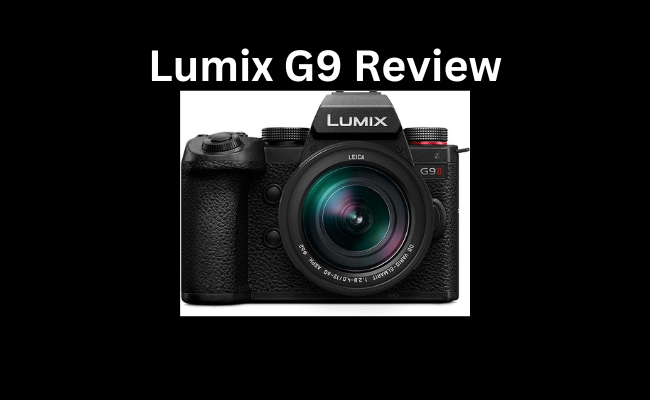
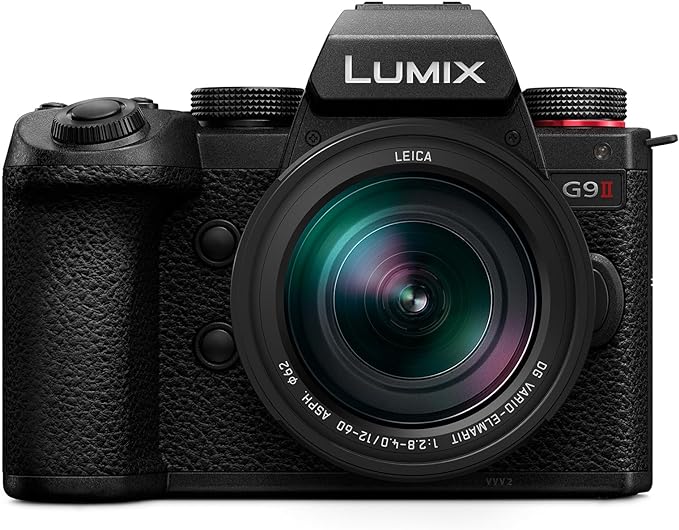
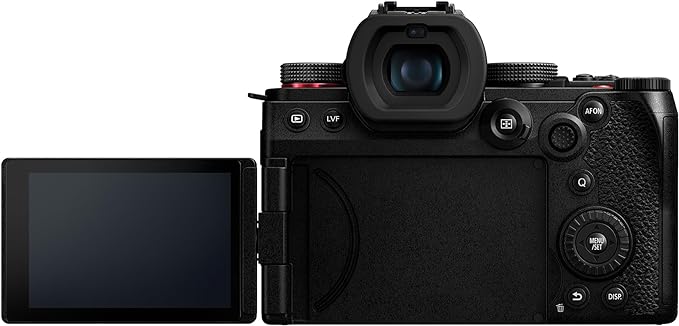
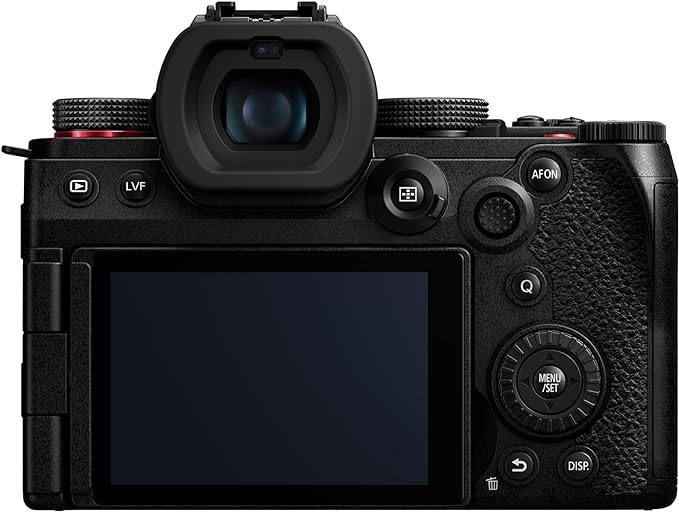
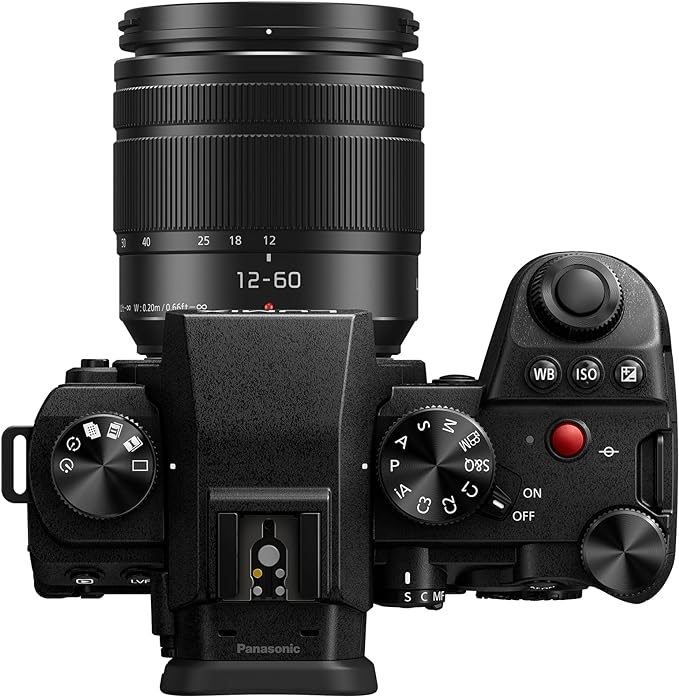
Lumix G9 Review

Introduction: Lumix G9 Review

Welcome to my Lumix G9 Review. In this review, we will review the Panasonic Lumix G9 and find out if it is the right product for you. Let the starting begin!

A flagship mirrorless camera, designed for enthusiasts and professional photographers who demand high performance and versatility, is the Panasonic LUMIX G9. As part of the Micro Four Thirds system, the G9 promises a compact form factor without compromising on image quality. In this comprehensive review, we will explore the camera’s key features, performance, ergonomics, image quality, video capabilities, and overall value for money.

Lumix G9 Review

Lumix G9 Review
Lens TypeWide Angle
Optical Zoom5
Maximum Aperture2.8 f
Minimum Aperture22 f
Autofocus Points779
Compatible MountingsMicro Four Thirds
Focus Typemanual-and-auto
Maximum Focal Length60 millimeters
Minimum Focal Length12 millimeters
Batteries Required?Yes
Number of Batteries1 Lithium Ion Battery (included)
Are Batteries IncludedYes
Rechargeable Battery IncludedYes
Battery Cell CompositionLithium Ion
Battery Weight3.21 Ounces
Target GenderUnisex
Compatible DevicesLaptop, Desktop, Tablet, Smartphone
Connectivity TechnologyBluetooth, Wi-Fi, USB
Continuous Shooting Speed75 fps
Wireless Communication TechnologyBluetooth, Wi-Fi
Special FeatureAnti-Shake
Water Resistance LevelWater Repellent
Skill LevelProfessional
Form FactorMirrorless
Hardware InterfaceBluetooth
Diaphragm Blades9
Photo Sensor TechnologyMOS
Best Place to BuyBuy on Amazon
Lumix G9 Review Specifications

Key Features: Lumix G9 Review

  1. 20.3-Megapixel Micro Four Thirds Sensor: The G9 features a 20.3-megapixel Digital Live MOS sensor, the heart of its imaging system. While the smaller sensor size is compared to full-frame alternatives, compensation for this is made by Panasonic through advanced processing and optics, as argued by some. The smaller sensor also contributes to the camera’s compact design, making it a portable powerhouse.
  2. 5-Axis Dual Image Stabilization: Panasonic has implemented a highly effective 5-axis in-body image stabilization system, working in tandem with optically stabilized lenses. This combination ensures sharp and blur-free images even in challenging shooting conditions. The stabilization is a boon for handheld photography and videography, especially in low-light situations.
  3. World’s Fastest AF Speed: The G9 boasts an impressive autofocus system with DFD (Depth From Defocus) technology, claiming to be the fastest in the world at the time of its release. The 225-point AF system covers a significant portion of the frame, allowing for quick and accurate subject tracking. This makes it an ideal choice for wildlife and sports photographers.

Other Features:

  1. High-Resolution EVF and LCD: The electronic viewfinder (EVF) on the G9 is a standout feature, offering a whopping 3.68-million-dot resolution. The 3-inch vari-angle touchscreen LCD is also high-resolution (1.04 million dots) and provides flexibility in composing shots from various angles. Both the EVF and LCD contribute to an immersive shooting experience.
  2. Weather-Sealed Design: Panasonic has equipped the G9 with a rugged, weather-sealed magnesium alloy body, making it resistant to dust and moisture. This design choice enhances the camera’s durability, allowing photographers to shoot in diverse environments without worrying about the elements.
  3. 4K Video Capabilities: Video enthusiasts will appreciate the G9’s robust 4K video capabilities. It supports 4K video recording at up to 60fps, and users can extract 8-megapixel stills from 4K footage. The camera also includes useful video features like V-LogL recording, 10-bit 4:2:2 output via HDMI, and advanced focusing options for videography.
  4. High-Speed Shooting: Well-suited for capturing fast-paced action, the G9 offers a maximum burst rate of 20 frames per second (fps) with the electronic shutter and 9 fps with the mechanical shutter. The camera’s buffer depth allows users to capture a series of shots in quick succession without slowdowns.
Lumix G9 Review

Performance: Lumix G9 Review

  1. Autofocus and Tracking: The G9’s autofocus system lives up to its reputation as one of the fastest in the industry. The DFD technology contributes to quick and accurate focusing, making it reliable for capturing moving subjects. The tracking performance, especially in continuous AF mode, is commendable and makes the camera suitable for sports and wildlife photography.
  2. Image Stabilization: The 5-axis Dual Image Stabilization system is a game-changer, delivering impressive results in both photo and video modes. It significantly reduces the effects of camera shake, allowing users to shoot at slower shutter speeds and in challenging conditions. This feature is particularly beneficial for low-light photography and when using telephoto lenses.
  3. High-Speed Shooting: The G9’s high-speed shooting capabilities make it a versatile tool for action photographers. Whether capturing sports events, wildlife, or fast-paced moments, the camera’s rapid burst rate ensures you don’t miss crucial moments. The buffer depth is sufficient to handle extended bursts, and the responsiveness of the shutter is noteworthy.
  4. EVF and LCD Performance: The high-resolution electronic viewfinder is a standout feature, providing a clear and detailed view of the scene. The EVF is especially beneficial in bright conditions, offering a more accurate representation of exposure. The vari-angle touchscreen LCD adds flexibility to composing shots from various angles, and its touch functionality is responsive.
Lumix G9 Review 3

Ergonomics and Handling: Lumix G9 Review

  1. Design and Build Quality: The G9 features a robust and well-designed magnesium alloy body that exudes a premium feel. The camera’s weather-sealed construction adds a level of confidence for shooting in adverse conditions. The button layout is intuitive, with well-placed controls that are easily accessible. The grip is comfortable, providing a secure hold during extended shooting sessions.
  2. User Interface: Panasonic has maintained a user-friendly interface, catering to both beginners and experienced photographers. The menu system is logically organized, and specific needs can be addressed through the customizable function buttons on the camera. The touchscreen interface further enhances the overall user experience.
  3. Customization Options: The G9 offers extensive customization options, allowing users to configure the camera to suit their shooting style. This includes customizable function buttons, a My Menu option, and the ability to save and recall custom shooting profiles. The level of customization caters to the preferences of photographers with varied shooting requirements.
Lumix G9 Review

Image Quality: Lumix G9 Review

  1. Sensor Performance: The Micro Four Thirds sensor in the G9 may be smaller than those found in full-frame cameras, but its performance is noteworthy. The 20.3-megapixel resolution, combined with Panasonic’s advanced image processing, delivers detailed and vibrant images. The camera performs well in a range of lighting conditions, showcasing good dynamic range and color reproduction.
  2. Low-Light Performance: The G9 holds its own in low-light situations, thanks in part to its effective image stabilization system. The combination of a fast lens and in-body stabilization allows for handheld shooting at slower shutter speeds without sacrificing image quality. While larger sensors may have an edge in extreme low-light scenarios, the G9’s performance is more than satisfactory for most users.
  3. JPEG and RAW Quality: The camera produces high-quality JPEGs with accurate colors and good sharpness. Additionally, shooting in RAW allows for greater flexibility in post-processing, providing photographers with the latitude to fine-tune their images. The RAW files retain a significant amount of detail, enabling users to make adjustments without compromising image quality.
Lumix G9 Review

Video Capabilities: Lumix G9 Review

  1. 4K Video Quality: The G9’s 4K video capabilities are impressive, delivering sharp and detailed footage. The option to shoot in 4K at 60fps is a significant advantage for videographers who require smooth motion and detailed visuals. The camera’s ability to extract 8-megapixel stills from 4K video adds a creative dimension to the shooting experience.
  2. V-LogL and 10-Bit Output: The inclusion of V-LogL for expanded dynamic range and 10-bit 4:2:2 output via HDMI caters to advanced videographers. These features enhance the camera’s suitability for professional video production, providing greater flexibility in color grading and post-production workflows.
  3. Autofocus in Video Mode: The autofocus performance in video mode is commendable, offering smooth and accurate subject tracking. The touch-to-focus feature on the LCD is responsive, allowing users to easily change the focus point while recording. The camera’s AF system adapts well to different shooting scenarios, making it versatile for video content creators.

Connectivity and Battery Life: Lumix G9 Review

  1. Wireless Features: Built-in Wi-Fi and Bluetooth connectivity are featured in the G9, enabling seamless transfer of images to smart devices. The Panasonic Image App provides remote control functionality, allowing users to control the camera and transfer files wirelessly. The wireless features enhance the camera’s usability in various shooting situations.
  2. Battery Life: The G9 utilizes a high-capacity lithium-ion battery that delivers respectable battery life. While actual performance may vary based on usage patterns, the camera is generally capable of handling a full day of shooting on a single charge. Having a spare battery is advisable for extended sessions, especially when utilizing power-hungry features like continuous high-speed shooting.
Lumix G9 Review

Pros and Cons: Lumix G9 Review

Pros:

  1. Impressive Autofocus System: The G9 boasts the world’s fastest autofocus system, employing Depth From Defocus (DFD) technology. This ensures quick and accurate focusing, making it an excellent choice for capturing fast-paced action, such as sports and wildlife photography.
  2. 5-Axis Dual Image Stabilization: The in-body 5-axis Dual Image Stabilization system, complemented by optically stabilized lenses, delivers exceptional stability for both photos and videos. This feature is a game-changer in low-light conditions, allowing for sharp images even at slower shutter speeds.
  3. High-Resolution Electronic Viewfinder (EVF): The EVF with a resolution of 3.68 million dots provides a clear and detailed view of the scene. This contributes to accurate composition, especially in bright conditions, offering a superior alternative to optical viewfinders.
  4. 4K Video Capabilities: The G9 excels in video recording with 4K capabilities at 60fps. Videographers will appreciate features such as V-LogL recording and 10-bit 4:2:2 output via HDMI, providing professional-grade options for video production.
  5. Rugged Weather-Sealed Design: The magnesium alloy body and weather-sealed construction make the G9 a durable and reliable companion in diverse shooting environments. The camera’s resilience to dust and moisture ensures it can withstand the rigors of professional use.
  6. Customization Options: Extensive customization options, including programmable function buttons and personalized shooting profiles, cater to the preferences and shooting styles of a wide range of photographers. This flexibility enhances the overall user experience.
  7. High-Speed Shooting: With a maximum burst rate of 20fps (electronic shutter) and 9fps (mechanical shutter), the G9 is well-suited for capturing fast-moving subjects. The responsive shutter and sufficient buffer depth make it an ideal choice for action photography.
  8. Wireless Connectivity: The built-in Wi-Fi and Bluetooth connectivity, coupled with the Panasonic Image App, facilitate seamless file transfer to smart devices and enable remote camera control. These wireless features enhance the camera’s versatility in modern workflows.

Cons:

  1. Micro Four Thirds Sensor Size: While the Micro Four Thirds sensor contributes to the camera’s compact design, it may be a limiting factor in extreme low-light situations. Larger sensors found in full-frame cameras generally outperform Micro Four Thirds sensors in terms of low-light performance.
  2. Limited Depth of Field Control: Due to the smaller sensor size, achieving the same level of background blur (bokeh) as larger sensors can be challenging. Photographers who prioritize shallow depth of field may find the G9’s capabilities in this regard to be somewhat limited.
  3. Battery Life for Intensive Use: While the G9’s battery life is generally respectable, intensive use of power-hungry features such as continuous high-speed shooting or 4K video recording may necessitate carrying spare batteries for extended shooting sessions.
  4. Bulkier Than Some Competitors: Compared to some other mirrorless cameras in its class, the G9’s design, while ergonomic, may be considered bulkier. This could be a factor for photographers seeking the most compact and lightweight options in the mirrorless category.
  5. Limited Native Lens Selection: While the Micro Four Thirds system offers a range of lenses, some photographers may find the selection to be more limited compared to larger sensor systems. However, the system does benefit from compatibility with a variety of third-party lenses.
  6. Lack of In-Body ND Filter: Unlike some competitors, the G9 does not feature an in-body neutral density (ND) filter. This means photographers will need to use external ND filters for controlling exposure in bright conditions, potentially adding to the overall setup.
  7. Non-Standard USB Charging: The G9 uses a proprietary USB port for charging, which may be inconvenient for users who prefer standard USB connections. Carrying an additional charger or spare batteries may be necessary for longer outings.

Conclusion to pros and cons

In conclusion, the Panasonic LUMIX G9 offers an impressive array of features, but, like any camera, it comes with a set of trade-offs. Potential buyers should carefully consider their specific needs and priorities to determine if the G9 aligns with their expectations and shooting preferences.

Customer Reviews: Lumix G9 Review

Understanding the real-world experiences of users is crucial in evaluating the true worth of any camera. Customer reviews offer insights into the practical aspects, nuances, and everyday usability of the Panasonic LUMIX G9. It is important to note that individual experiences may vary, and the following compilation represents commonly expressed sentiments.

Positive Feedback:

  1. Outstanding Image Quality: Numerous users commend the G9 for its impressive image quality. Users appreciate the 20.3-megapixel Micro Four Thirds sensor and advanced processing, highlighting the camera’s ability to capture detailed, vibrant shots in various conditions.
  2. Effective Image Stabilization: Customers consistently praise the 5-axis Dual Image Stabilization, emphasizing its effectiveness in minimizing blur and allowing for sharp images, even when shooting handheld in challenging situations. This feature particularly stands out for those engaged in low-light photography or using telephoto lenses.
  3. Intuitive and Customizable Controls: The camera’s ergonomic design and intuitive button layout receive positive remarks. Users appreciate the ease of use and the ability to customize function buttons to tailor the camera to their specific needs and shooting preferences.
  4. Versatile Autofocus System: The autofocus system, lauded as one of the fastest in the market, has garnered praise for its accuracy, especially in continuous AF mode. Photographers engaged in action photography, wildlife, and sports find the tracking performance to be reliable and responsive.
  5. Excellent Video Capabilities: Videographers express satisfaction with the G9’s 4K video capabilities, praising the quality of footage and the inclusion of features like V-LogL and 10-bit 4:2:2 output. The camera’s versatility for both stills and video production is highlighted as a key selling point.

Constructive Criticism:

  1. Micro Four Thirds Limitations: Some users express reservations about the Micro Four Thirds sensor size, particularly in low-light conditions. While acknowledging the camera’s strengths, there is consensus that larger sensors found in full-frame alternatives may outperform the G9 in extreme low-light scenarios.
  2. Battery Life Considerations: A common point of discussion is the camera’s battery life, especially during intensive use. Users engaged in extended photo sessions or continuous 4K video recording suggest carrying spare batteries to ensure uninterrupted shooting.
  3. Bulkier Design: A few users note that the G9’s design, while ergonomic, is bulkier compared to some competing mirrorless cameras. This aspect might be a consideration for those prioritizing the most compact and lightweight options in the mirrorless category.
  4. Limited Native Lens Selection: While the Micro Four Thirds system offers a variety of lenses, some users express a desire for a broader native lens selection. This limitation is mitigated by the system’s compatibility with third-party lenses.
  5. USB Charging Preferences: The use of a proprietary USB port for charging is mentioned by a few users as a potential inconvenience. Standard USB connections are preferred by some users, and the need for an additional charger or spare batteries is highlighted for longer outings.

Conclusion:

The customer reviews for the Panasonic LUMIX G9 reveal a largely positive reception, with users praising its imaging capabilities, effective stabilization, and versatile feature set. While some express concerns about the Micro Four Thirds sensor in specific scenarios, the camera’s overall performance and reliability make it a popular choice among photographers and videographers alike. Potential buyers are encouraged to weigh the pros and cons based on their specific needs and preferences, considering the valuable insights provided by the user community.

Lumix G9 Review 6

Conclusion: Lumix G9 Review

The Panasonic LUMIX G9 is a feature-packed mirrorless camera that caters to a wide range of photographers, from enthusiasts to professionals. Its Micro Four Thirds sensor, combined with advanced image processing and a powerful autofocus system, delivers impressive image quality and performance. The camera’s robust build, weather-sealed design, and extensive customization options contribute to a satisfying shooting experience.

The G9’s 4K video capabilities, along with advanced features like V-LogL and 10-bit 4:2:2 output, make it a compelling choice for videographers seeking a versatile and portable solution. The effective 5-axis Dual Image Stabilization system adds value, especially for handheld shooting in challenging conditions.

While the Micro Four Thirds sensor may be a limiting factor in extreme low-light scenarios, the G9’s overall performance and feature set make it a strong contender in its class. The camera’s intuitive ergonomics, high-resolution EVF, and responsive touchscreen further enhance its appeal.

In conclusion, the Panasonic LUMIX G9 strikes a commendable balance between performance, portability, and versatility. Whether you are a stills photographer, a videographer, or someone who appreciates a well-rounded camera, the G9 stands out as a capable and reliable choice in the competitive mirrorless camera market.

Thanks For Reading!

I would like to take this opportunity to thank you for reading this Lumix G9 Review for 2023. In this article I hope it has provided you with information to decide whether this machine is perfect for you. I do trust you found out if this will deliver everything you need a great piece of technology to deliver. At the very most I hope this Lumix G9 Review was enjoyable to read. Thanks again!

Want to check out my other reviews go to https://thetechworldguru.com/category/camera-reviews/ for more reviews.

Lumix G9 Review 7
Lens TypeWide Angle
Optical Zoom5
Maximum Aperture2.8 f
Minimum Aperture22 f
Autofocus Points779
Compatible MountingsMicro Four Thirds
Focus Typemanual-and-auto
Maximum Focal Length60 millimeters
Minimum Focal Length12 millimeters
Batteries Required?Yes
Number of Batteries1 Lithium Ion Battery (included)
Are Batteries IncludedYes
Rechargeable Battery IncludedYes
Battery Cell CompositionLithium Ion
Battery Weight3.21 Ounces
Target GenderUnisex
Compatible DevicesLaptop, Desktop, Tablet, Smartphone
Connectivity TechnologyBluetooth, Wi-Fi, USB
Continuous Shooting Speed75 fps
Wireless Communication TechnologyBluetooth, Wi-Fi
Special FeatureAnti-Shake
Water Resistance LevelWater Repellent
Skill LevelProfessional
Form FactorMirrorless
Hardware InterfaceBluetooth
Diaphragm Blades9
Photo Sensor TechnologyMOS
Best Place to BuyBuy on Amazon
Lumix G9 Review Specifications
Disclosure

In 2015, the Federal Trade Commission released its new rules for Disclosure Compliance. These rules are set in place to ensure that readers or viewers of web media (blogs, YouTube videos, etc.) know if the blogger/presenter is sponsored, endorsed, or partnered with a different company. In blog terms, the readers need to know if the blogger is making money by sharing a link or product.

In compliance with the FTC guidelines, please assume the following about links and posts on this site: Any/all of the links https://thetechworldguru.com/​ are affiliate links of which I receive a small compensation from sales of certain items.
Categories
Camera Reviews

Fujifilm GFX100 Review

Introduction: Fujifilm GFX100 Review

Welcome to my Fujifilm GFX100 Review. In this review, we will review the Fujifilm GFX100 and find out if it is the right product for you. Let’s get started!

The world of digital photography is constantly evolving, and camera manufacturers are consistently pushing boundaries to meet the demands of professional photographers and enthusiasts alike. Fujifilm, known for its commitment to innovation and quality, introduced the GFX100, a medium format mirrorless camera that promises to redefine the standards of image quality and performance. In this unbiased review, we will delve deep into the features, performance, and user experience of the Fujifilm GFX100, exploring its strengths and weaknesses.

Fujifilm GFX100 Review

Fujifilm GFX100 Review
Auto Focus TechnologyPhase Detection, Contra, Multi area, sensor
Photo Sensor SizeMedium Format (>35mm)
Photo Sensor TechnologyCMOS
Effective Still Resolution102 MP
Maximum Webcam Image Resolution102 MP
Video Capture Format4k
Video Capture Resolution4320p
Lens TypeWide Angle
Optical Zoom1 x
Compatible MountingsFujifilm X
Screen Size3.2 Inches
Display TypeLCD
Batteries Required?Yes
Number of Batteries1 Lithium Ion batteries required. (included)
Are Batteries IncludedYes
Rechargeable Battery IncludedYes
Battery Cell CompositionLithium Ion
Battery Weight80 Grams
Target GenderUnisex
Connectivity TechnologyBluetooth, Wi-Fi, USB, Ethernet, HDMI
Continuous Shooting Speed8 fps
Wireless Communication TechnologyBluetooth, Wi-Fi
Skill LevelAmateur
Form FactorMirrorless
Photo Sensor TechnologyCMOS
Best Place to BuyBuy on Amazon
Fujifilm GFX100 Review Specifications

I. Overview: Fujifilm GFX100 Review

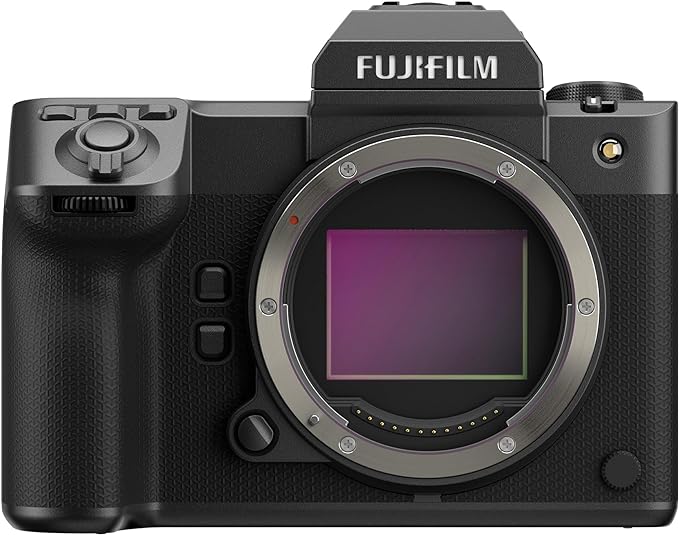
The Fujifilm GFX100 is a flagship medium format camera that brings a 102-megapixel sensor, 4K video capabilities, and cutting-edge technology to the table. This camera is positioned as a game-changer in the world of high-resolution imaging, offering a balance between incredible detail and practical usability.

II. Design and Build Quality: Fujifilm GFX100 Review

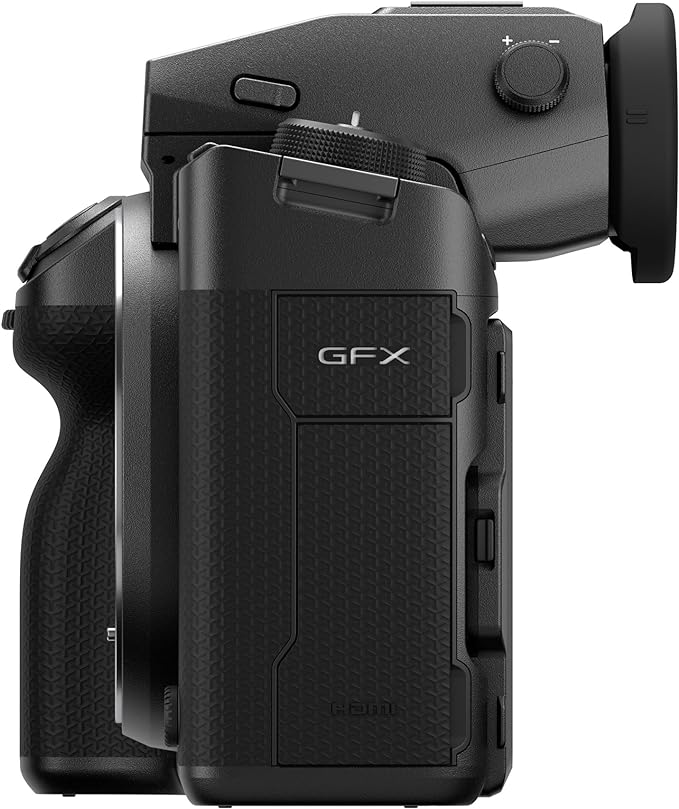
The GFX100 not only showcases a robust and well-thought-out design but also places a strong emphasis on both functionality and aesthetics. Notably, the camera body is weather-sealed, endowing it with resistance to dust and moisture—a crucial feature for photographers working in diverse environments. Furthermore, the magnesium alloy body ensures durability without compromising on weight.

In terms of ergonomics, the GFX100 earns commendation with its comfortable grip and intuitively placed controls. The tactile feel of buttons and dials enhances the overall user experience, enabling photographers to make on-the-fly adjustments. Adding to the user-friendly design, the large and tilting 3.2-inch touchscreen display at the rear provides easy access to the camera’s menu system and proves to be a pleasure to use.

Fujifilm GFX100 Review

III. Sensor and Image Quality: Fujifilm GFX100 Review

Central to the GFX100 is its remarkable 102-megapixel back-illuminated CMOS sensor, marking a standout feature of this camera. The medium format sensor size plays a pivotal role in significantly enhancing the camera’s capability to capture an unparalleled level of detail and dynamic range. When paired with high-quality lenses, the images produced by the GFX100 showcase stunning clarity and sharpness.

Furthermore, the GFX100 boasts impressive low-light performance, owing to its large sensor size and advanced image processing capabilities. With a native ISO range of 100-12,800, expandable to 50-102,400, the camera ensures the delivery of usable images even in challenging lighting conditions. Notably, the exceptional color reproduction, a hallmark of Fujifilm cameras, results in vibrant and accurate tones straight out of the camera.

IV. Autofocus and Performance: Fujifilm GFX100 Review

Contrary to the traditional belief that medium format cameras are slow and cumbersome, the GFX100 challenges this notion with its advanced autofocus system. The camera features a hybrid AF system with 3.76 million phase-detection pixels covering nearly 100% of the frame. This results in fast and accurate autofocus performance, whether shooting stills or recording video.

With reliable continuous autofocus, the GFX100 proves its suitability for an array of shooting scenarios, encompassing sports and action photography. Additionally, the camera is equipped with face and eye detection, a feature prevalent in many modern cameras, and it seamlessly operates to ensure portraits are consistently sharp and well-focused.

The overall performance of the GFX100 is swift and responsive, thanks to its quad-core X-Processor 4 image processor. The camera exhibits minimal lag, and the high-speed data readout from the sensor contributes to fast burst rates and efficient handling of large image files.

Fujifilm GFX100 Review

V. In-Body Image Stabilization (IBIS): Fujifilm GFX100 Review

One of the standout features of the GFX100 is its built-in five-axis in-body image stabilization (IBIS) system. This is a game-changer for medium format photography, as it allows photographers to shoot at slower shutter speeds without compromising image sharpness. The IBIS system also proves beneficial when shooting handheld video, providing smooth and stable footage.

The effectiveness of the IBIS system is noticeable, particularly when using longer focal length lenses. It opens up new possibilities for handheld shooting in low light and challenging conditions, adding to the camera’s versatility.

VI. Video Capabilities: Fujifilm GFX100 Review

The Fujifilm GFX100 is not just a stills powerhouse; it is also a capable video camera. Capable of recording 4K video at speeds of up to 30 frames per second (fps) in 10-bit 4:2:2 color, the camera delivers cinematic image quality. Furthermore, it extends its versatility by supporting the F-Log and HLG (Hybrid Log-Gamma) profiles, granting users flexibility in post-production for precise color grading.

Featuring a headphone jack, microphone input, and HDMI output, the camera becomes notably well-equipped for professional video work. Moreover, the medium format sensor adds a distinctive touch, creating a unique visual aesthetic with a shallow depth of field and smooth tonal transitions. Hence, the GFX100 becomes an appealing choice for filmmakers aiming to achieve a singular and captivating visual style.

Fujifilm GFX100 Review

VII. Connectivity and Storage: Fujifilm GFX100 Review

The GFX100 stands out with a diverse range of connectivity options, significantly boosting its versatility for photographers and videographers. Moreover, it excels with built-in Wi-Fi and Bluetooth functionalities, seamlessly facilitating wireless file transfer and enabling remote camera control.

Moreover, the inclusion of USB-C and HDMI ports specifically caters to the varied needs of professionals working in both studio and on-location settings.

When it comes to storage, the camera offers robust support with dual SD UHS-II memory card slots, ensuring versatility and accommodating the substantial file sizes produced by the impressive 102-megapixel sensor. The dual card slots also allow for versatile storage options, such as overflow, backup, or separate storage of photos and videos.

VIII. Battery Life: Fujifilm GFX100 Review

In spite of its power-hungry components, the GFX100 successfully achieves a commendable battery life. Fueled by a NP-T125 lithium-ion battery, the camera boasts a CIPA rating of approximately 800 shots per charge. However, considering the demands of extended shooting sessions, particularly during video recording, it is advisable for users to carry spare batteries to ensure uninterrupted shooting.

Fujifilm GFX100 Review

IX. User Interface and Menu System: Fujifilm GFX100 Review

Fujifilm has built a reputation for its user-friendly interface, and the GFX100 seamlessly upholds this tradition. Notably, the camera’s menu system is well-organized, ensuring that both novice and seasoned users can effortlessly navigate and locate the settings they require. Additionally, the touchscreen interface plays a pivotal role in enhancing the overall user experience, facilitating quick and intuitive adjustments.

Moreover, the GFX100 offers abundant customization options, empowering photographers to fine-tune camera settings according to their preferences. The incorporation of physical dials for essential settings such as shutter speed, aperture, and ISO contributes a tactile and nostalgic element, appealing to those who value a more traditional approach to photography.

X. Limitations and Considerations: Fujifilm GFX100 Review

Although the Fujifilm GFX100 stands out as a remarkable camera, it is crucial to recognize its limitations. Notably, the camera’s size and weight might pose concerns for some users, particularly those accustomed to smaller and lighter mirrorless cameras. Moreover, the cost of the GFX100 positions it firmly in the high-end segment of the market, presenting it as an investment that may be beyond the financial reach of many photographers.

Furthermore, the file sizes generated by the 102-megapixel sensor impose significant demands on storage space and processing power. Consequently, users should be well-prepared with high-capacity and fast memory cards, along with a robust computer system to facilitate efficient post-processing.

Fujifilm GFX100 Review 5

Pros and Cons: Fujifilm GFX100 Review

Pros:

  1. Exceptional Image Quality:
    • The GFX100 is equipped with a 102-megapixel medium format sensor, delivering unparalleled detail, dynamic range, and color reproduction for high-resolution photography.
  2. Advanced Autofocus System:
    • The hybrid AF system with 3.76 million phase-detection pixels covers almost 100% of the frame, providing fast and accurate autofocus performance, suitable for a wide range of shooting scenarios.
  3. In-Body Image Stabilization (IBIS):
    • The built-in five-axis IBIS system sets a new standard for medium format cameras, offering stability for handheld shooting and smooth video recording.
  4. 4K Video Capabilities:
    • The GFX100 is not just a stills camera; it excels in video production, offering 4K recording at 30fps in 10-bit 4:2:2 color with support for popular color profiles like F-Log and HLG.
  5. Weather-Sealed Build:
    • The robust magnesium alloy body with weather-sealing ensures durability and resistance to dust and moisture, making the camera suitable for various shooting conditions.
  6. Intuitive User Interface:
    • Fujifilm’s user-friendly interface, coupled with physical dials for key settings, provides a seamless and enjoyable user experience, appealing to both beginners and seasoned photographers.
  7. Dual Memory Card Slots:
    • The inclusion of dual SD UHS-II memory card slots allows for versatile storage options, providing ample space for the large file sizes produced by the 102-megapixel sensor.
  8. Versatile Connectivity:
    • Built-in Wi-Fi, Bluetooth, USB-C, and HDMI ports offer a comprehensive set of connectivity options, catering to the needs of modern photographers and videographers.
  9. Impressive Low-Light Performance:
    • The large sensor size and advanced image processing contribute to excellent low-light performance, with a native ISO range of 100-12,800 (expandable to 50-102,400).
  10. Tilting Touchscreen Display:
    • The large 3.2-inch tilting touchscreen display enhances usability, providing easy access to the menu system and facilitating creative framing in various shooting scenarios.

Cons:

  1. Size and Weight:
    • The GFX100’s medium format sensor comes at the cost of a larger and heavier camera body, which may be a drawback for photographers accustomed to more compact mirrorless cameras.
  2. High Price Tag:
    • Positioned as a flagship medium format camera, the GFX100’s premium features come with a high price, potentially limiting its accessibility to a broader audience.
  3. File Size Considerations:
    • The massive 102-megapixel files demand substantial storage space and processing power, requiring users to invest in high-capacity memory cards and robust computer systems.
  4. Battery Life:
    • While the battery life is respectable for a medium format camera, the NP-T125 lithium-ion battery may require users to carry spare batteries for extended shooting sessions, especially when recording video.
  5. Learning Curve for Beginners:
    • The advanced features and customization options may pose a learning curve for beginners, although the camera’s user-friendly interface helps mitigate this to some extent.
  6. Limited Lens Selection:
    • While Fujifilm has expanded its medium format lens lineup, the selection may still be limited compared to full-frame systems, potentially affecting the choices available to photographers.
  7. Not Ideal for Every Photography Style:
    • The GFX100’s strengths lie in high-resolution imaging and video production, making it less suitable for photographers who prioritize speed and portability over ultimate image detail.
  8. No Built-in Flash:
    • Despite its advanced features, the GFX100 lacks a built-in flash, which might be a drawback for photographers who rely on integrated lighting solutions in certain situations.

While the Fujifilm GFX100 excels in numerous aspects, potential users should weigh these pros and cons based on their specific needs, preferences, and budget considerations before making a purchase decision.

Customer Reviews: Fujifilm GFX100 Review

Customer reviews are a valuable resource for gaining insights into the real-world experiences of photographers who have used the Fujifilm GFX100. Analyzing user feedback provides a more holistic understanding of the camera’s performance, usability, and any potential issues users may have encountered.

Positive Feedback:

  1. Image Quality Appreciation:
    • Many users praise the GFX100 for its outstanding image quality, emphasizing the incredible detail, dynamic range, and color accuracy provided by the 102-megapixel sensor.
  2. Autofocus Performance:
    • Positive comments highlight the effectiveness of the advanced autofocus system, noting fast and accurate focusing, particularly in challenging conditions.
  3. In-Body Image Stabilization (IBIS):
    • Photographers appreciate the inclusion of IBIS, citing its effectiveness in achieving sharp images, especially when shooting handheld with slower shutter speeds.
  4. Video Capabilities Commendation:
    • Users who engage in videography express satisfaction with the 4K video capabilities, citing the camera’s ability to produce cinematic footage with excellent color grading options.
  5. Build Quality and Weather Sealing:
    • The robust and weather-sealed construction of the GFX100 receives positive feedback, with users praising the camera’s durability and reliability in various environmental conditions.
  6. Intuitive User Interface:
    • Many users, whether beginners or experienced photographers, appreciate the intuitive user interface and the inclusion of physical dials, making the camera easy to navigate and operate.

Constructive Criticism:

  1. Size and Weight Concerns:
    • Some users express concerns about the camera’s size and weight, noting that it may be less convenient for travel or prolonged handheld shooting sessions.
  2. High Price Point:
    • A common point of discussion revolves around the high price of the GFX100. While users acknowledge the camera’s advanced features, some find it challenging to justify the premium cost.
  3. File Size and Storage Challenges:
    • Several users highlight the need for substantial storage space and processing power due to the large file sizes, suggesting that potential buyers should be prepared for additional investments.
  4. Learning Curve for Beginners:
    • Novice photographers mention a learning curve associated with the camera’s advanced features, recommending that users take the time to familiarize themselves with the settings and customization options.
  5. Battery Life Considerations:
    • Some users express a desire for improved battery life, especially when engaging in extended shooting sessions or recording prolonged video clips.
  6. Limited Lens Selection:
    • While Fujifilm has expanded its lens lineup for medium format cameras, a few users express a desire for a broader selection of lenses, especially in niche categories.

Understanding the diverse perspectives presented in customer reviews helps potential buyers make informed decisions based on their specific needs and preferences. Additionally, it’s important to consider both positive and constructive feedback to gain a comprehensive view of the Fujifilm GFX100’s performance in real-world scenarios.

Conclusion: Fujifilm GFX100 Review

In summary, the Fujifilm GFX100 stands out as a groundbreaking medium format camera, demonstrating excellence in delivering exceptional image quality, performance, and versatility. With its remarkable 102-megapixel sensor, advanced autofocus system, in-body image stabilization, and 4K video capabilities, it emerges as a formidable tool for professional photographers and videographers alike.

Moreover, the camera’s design, build quality, and user interface serve as testament to Fujifilm’s unwavering commitment to providing a premium user experience. Despite its substantial price tag and considerations regarding its size and file sizes, the GFX100 emerges as a technological marvel that pushes the boundaries of what is achievable in the realm of digital photography.

To elaborate further, whether you’re a landscape photographer yearning for unparalleled detail, a portrait photographer in search of sublime skin tones, or a filmmaker aspiring to capture a medium format cinematic look, the Fujifilm GFX100 undeniably stands as a camera that consistently delivers on its promises. It not only represents a significant leap forward in medium format technology but also solidifies Fujifilm’s position as a leader in the ever-evolving landscape of digital imaging.

Thanks For Reading!

I would like to take this opportunity to thank you for reading this Fujifilm GFX100 Review for 2023. In this article I hope it has provided you with information to decide whether this machine is perfect for you. I do trust you found out if this will deliver everything you need a great piece of technology to deliver. At the very most I hope this Fujifilm GFX100 Review was enjoyable to read. Thanks again!

Want to check out my other reviews go to https://thetechworldguru.com/category/camera-reviews/ for more reviews.

Fujifilm GFX100 Review 6
Auto Focus TechnologyPhase Detection, Contra, Multi area, sensor
Photo Sensor SizeMedium Format (>35mm)
Photo Sensor TechnologyCMOS
Effective Still Resolution102 MP
Maximum Webcam Image Resolution102 MP
Video Capture Format4k
Video Capture Resolution4320p
Lens TypeWide Angle
Optical Zoom1 x
Compatible MountingsFujifilm X
Screen Size3.2 Inches
Display TypeLCD
Batteries Required?Yes
Number of Batteries1 Lithium Ion batteries required. (included)
Are Batteries IncludedYes
Rechargeable Battery IncludedYes
Battery Cell CompositionLithium Ion
Battery Weight80 Grams
Target GenderUnisex
Connectivity TechnologyBluetooth, Wi-Fi, USB, Ethernet, HDMI
Continuous Shooting Speed8 fps
Wireless Communication TechnologyBluetooth, Wi-Fi
Skill LevelAmateur
Form FactorMirrorless
Photo Sensor TechnologyCMOS
Best Place to BuyBuy on Amazon
Fujifilm GFX100 Review Specifications
Disclosure

In 2015, the Federal Trade Commission released its new rules for Disclosure Compliance. These rules are set in place to ensure that readers or viewers of web media (blogs, YouTube videos, etc.) know if the blogger/presenter is sponsored, endorsed, or partnered with a different company. In blog terms, the readers need to know if the blogger is making money by sharing a link or product.

In compliance with the FTC guidelines, please assume the following about links and posts on this site: Any/all of the links https://thetechworldguru.com/​ are affiliate links of which I receive a small compensation from sales of certain items.
Categories
Camera Reviews

Fujifilm X H2 Review

Introduction: Fujifilm X H2 Review

Welcome to my Fujifilm X H2 Review. In this review, we will review the Fujifilm X H2 and find out if it is the right product for you. Let’s get started!

The ever-evolving landscape of mirrorless cameras has witnessed the arrival of Fujifilm’s highly anticipated X-H2, promising to push the boundaries of what a mirrorless camera can achieve. In this in-depth and unbiased review, we’ll dissect every facet of the Fujifilm X-H2, evaluating its design, performance, features, and image quality. Our goal is to provide readers with a comprehensive understanding of the camera’s strengths, weaknesses, and overall position in the competitive world of mirrorless photography.

Fujifilm X H2 Review

Fujifilm X H2 Review
Auto Focus TechnologyContrast Detection
Photo Sensor SizeAPS-H
Photo Sensor TechnologyCMOS
Effective Still Resolution40 MP
Maximum Webcam Image Resolution40 MP
Self Timer Duration10 Seconds
Image StabilizationDigital
Video Capture Format8K
Video Capture Resolution4320p
Video StandardAVCHD
Screen Size3 inches
Display TypeLCD
Batteries Required?Yes
Number of Batteries1 Lithium Ion batteries required. (included)
Are Batteries IncludedYes
Rechargeable Battery IncludedYes
Battery Cell CompositionLithium Ion
Battery Weight80 Grams
Target GenderUnisex
Connectivity TechnologyBluetooth, Wi-Fi
Continuous Shooting Speed15 fps
Wireless Communication TechnologyWi-Fi
Special FeatureImage Stabilization
Skill LevelProfessional
Form FactorCompact
Photo Sensor TechnologyCMOS
Lens TypeWide Angle
Optical Zoom5 x
Maximum Aperture3.5 Millimeters
Zoom TypeDigital Zoom
Compatible MountingsFujifilm X
Maximum Focal Length80 Millimeters
Minimum Focal Length16 Millimeters
Best Place to BuyBuy on Amazon
Fujifilm X H2 Review Specifications

Design and Build Quality: Fujifilm X H2 Review

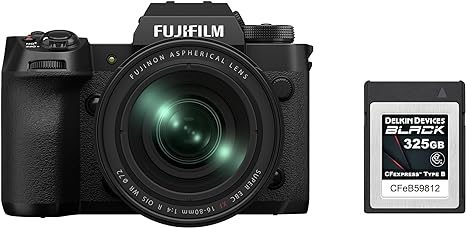
Fujifilm has a storied history of blending cutting-edge technology with a nostalgic design aesthetic, and the X-H2 is no exception. Crafted from a robust magnesium alloy, the camera boasts a weather-sealed body, ensuring durability in a variety of shooting conditions. The design echoes the retro charm that defines Fujifilm’s X-series, with a comfortable grip that fits snugly in the hand.

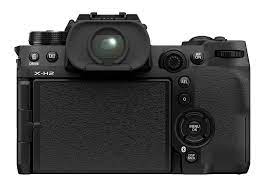
The layout of controls on the X-H2 is intuitive, with a mode dial, exposure compensation dial, and customizable function button adorning the top plate. The rear of the camera features a joystick for quick and precise AF point selection, contributing to a seamless shooting experience. Both the 3.69-million-dot electronic viewfinder (EVF) and the 3-inch tilting touchscreen enhance usability, providing flexibility for composing shots from different angles.

Despite these positive attributes, some users might find the X-H2 slightly weighty compared to other mirrorless options. However, this additional weight can be viewed as a trade-off for the robust build quality and weather sealing, making the X-H2 a reliable companion for photographers who venture into challenging environments.

Fujifilm X H2 Review

Performance: Fujifilm X H2 Review

At the core of any camera lies its performance, and the X-H2 doesn’t disappoint. Equipped with the latest X-Processor, the camera delivers impressive speed and responsiveness. The autofocus system has undergone significant improvements, featuring a substantial increase in phase-detection points for swift and accurate subject tracking.

The X-H2 excels in both still photography and videography, showcasing its versatility. The 26.1-megapixel APS-C sensor captures images with stunning detail and vibrant colors, hallmarks of Fujifilm’s renowned color science. The camera’s low-light performance is commendable, offering a wide ISO range with minimal noise even at higher settings.

For video enthusiasts, the X-H2 supports 4K recording at various frame rates, including high-speed options for creative slow-motion sequences. The addition of 10-bit 4:2:2 internal recording elevates the camera’s video capabilities, making it suitable for professional filmmaking. The inclusion of Film Simulation modes, such as Eterna, adds a layer of creativity for those who appreciate color grading in post-production.

The in-body image stabilization (IBIS) system is a standout feature, compensating for camera shake and allowing for sharper images and smoother videos, particularly in challenging shooting conditions.

Fujifilm X H2 Review

Features: Fujifilm X H2 Review

The X-H2 is a feature-rich camera that caters to both seasoned photographers and enthusiasts. One of its standout features is the advanced hybrid viewfinder, seamlessly integrating an optical viewfinder with an electronic viewfinder. This hybrid system provides the advantages of both, offering the optical clarity of an OVF and the real-time exposure preview of an EVF.

Fujifilm continues its commitment to tactile controls with dedicated dials for shutter speed, ISO, and exposure compensation. This hands-on approach appeals to photographers who prefer a more manual shooting experience, enabling quick adjustments without delving into menus.

Connectivity options abound, with built-in Wi-Fi and Bluetooth for effortless image transfer and remote camera control. The dual SD card slots enhance practicality, catering to professionals who require redundant storage or simultaneous recording of RAW and JPEG files.

Other Features:

Film Simulation modes, a hallmark of Fujifilm cameras, make a return in the X-H2. These modes replicate the aesthetics of classic film stocks, providing photographers with a range of creative options straight out of the camera.

While the X-H2’s battery life has seen improvement with a larger capacity battery, users engaged in extended shooting sessions may still find it beneficial to carry a spare battery for added peace of mind.

Image Quality: Fujifilm X H2 Review

The X-H2’s imaging capabilities are at the forefront of its appeal. The 26.1-megapixel X-Trans CMOS 4 sensor captures images with exceptional detail and dynamic range. The camera’s adept handling of various lighting conditions, combined with Fujifilm’s distinctive color science, results in images that are not only sharp but also rich in color and tonality.

The autofocus system excels in both single and continuous autofocus modes, offering reliable subject tracking, which is crucial for capturing fast-paced action or wildlife photography.

In low-light situations, the X-H2 performs admirably, exhibiting minimal noise even at higher ISO settings. This is a boon for photographers who frequently find themselves shooting in challenging lighting conditions, such as events or concerts.

The dynamic range of the X-H2 is noteworthy, capturing a wide range of tones in both highlights and shadows. This feature is particularly advantageous for landscape photographers or those working in high-contrast scenes.

Fujifilm X H2 Review

Video Quality: Fujifilm X H2 Review

The X-H2 positions itself as a formidable contender in the video arena, catering to the needs of filmmakers and content creators. Supporting 4K recording at up to 60fps, with 10-bit 4:2:2 internal recording, the X-H2 offers flexibility for color grading in post-production.

The inclusion of in-body image stabilization significantly enhances the camera’s video capabilities, ensuring smoother footage even when shooting handheld. Various film simulation modes, including the popular Eterna profile, add a cinematic touch to the footage straight out of the camera.

For audio enthusiasts, the X-H2 includes a microphone and headphone jack, expanding options for high-quality audio recording and monitoring. The presence of HDMI output for external recording further caters to the needs of professional videographers.

User Interface and Customization: Fujifilm X H2 Review

Fujifilm’s user interface strikes a balance between simplicity and depth, catering to both novice users and experienced photographers. The X-H2 continues this trend, offering a user-friendly menu system that accommodates a range of preferences.

Customizability is a strong suit of the X-H2, with customizable buttons and function menus allowing users to tailor the camera to their specific shooting style. This level of customization is particularly beneficial for photographers who prefer quick access to specific settings without delving into menus.

The touch-enabled LCD adds a layer of convenience, facilitating intuitive navigation through menus and quick adjustments to focus points with a simple tap. However, some users may find the touch functionality less responsive compared to other cameras in the market.

Pros and Cons: Fujifilm X H2 Review

Pros:

  1. Outstanding Image Quality: The 26.1-megapixel X-Trans CMOS 4 sensor, coupled with Fujifilm’s renowned color science, delivers stunning images with exceptional detail, dynamic range, and vibrant colors.
  2. Versatile Autofocus System: The X-H2 boasts an improved autofocus system with a substantial increase in phase-detection points, ensuring swift and accurate subject tracking in both stills and video.
  3. In-Body Image Stabilization (IBIS): The inclusion of IBIS is a game-changer, providing up to 5-axis stabilization for sharper images and smoother videos, particularly beneficial in low-light conditions or when shooting without a tripod.
  4. Impressive Video Capabilities: The X-H2 is a robust choice for videographers, supporting 4K recording at various frame rates and 10-bit 4:2:2 internal recording. Film Simulation modes and in-body stabilization enhance its appeal for cinematic productions.
  5. Hybrid Viewfinder: The advanced hybrid viewfinder combines an optical viewfinder with an electronic viewfinder, offering the advantages of both for a versatile and immersive shooting experience.
  6. Durable Build Quality: Crafted from a magnesium alloy and featuring weather sealing, the X-H2 is well-built and reliable in challenging shooting conditions, appealing to photographers who venture into diverse environments.
  7. Tactile Controls: Dedicated dials for shutter speed, ISO, and exposure compensation, coupled with customizable function buttons, provide a tactile and efficient shooting experience, especially for those who prefer manual controls.
  8. Film Simulation Modes: Fujifilm’s signature Film Simulation modes allow for creative in-camera looks, replicating the aesthetics of classic film stocks and providing photographers with a range of expressive options.
  9. Dual SD Card Slots: A practical feature for professionals, the dual SD card slots offer redundancy for storage and the option to record different file types simultaneously.
  10. Excellent Dynamic Range: The X-H2 excels in capturing a wide range of tones, making it well-suited for scenes with high contrast, such as landscapes or challenging lighting conditions.

Cons:

  1. Weight and Size: Some users may find the X-H2 slightly heavier compared to other mirrorless options, potentially impacting portability, especially for those who prioritize a lightweight and compact camera system.
  2. Touchscreen Responsiveness: While the touchscreen functionality is a welcome addition, it may lack the responsiveness seen in other contemporary cameras, potentially requiring improvement for more intuitive navigation.
  3. Battery Life: Although the X-H2’s battery life has seen improvement with a larger capacity battery, users engaged in extended shooting sessions may still find it beneficial to carry a spare battery.
  4. Price Point: As a flagship model, the X-H2’s advanced features come at a premium, making it a significant investment for photographers on a budget or those looking for a more entry-level option.
  5. Limited Native Lens Selection: While Fujifilm’s lens lineup is extensive, some users may find certain specialized lenses lacking, especially when compared to other camera systems.
  6. No Built-in ND Filter: For videographers who often shoot in bright conditions, the absence of a built-in ND filter might necessitate the use of external filters, adding to the overall equipment load.
  7. Limited Touchscreen Functionality: While the touchscreen facilitates menu navigation and focus point selection, its functionality could be expanded to include more controls and customization options.
  8. High-Speed Video Recording Limitations: The X-H2’s high-speed video recording capabilities may have limitations in terms of recording time, which could be a consideration for those heavily invested in slow-motion videography.
  9. Learning Curve for New Users: The camera’s extensive feature set and manual controls may present a steeper learning curve for users new to photography or those transitioning from simpler camera systems.
  10. Continuous AF Performance in Low Light: While the autofocus system performs admirably in most conditions, some users may find its continuous autofocus performance in extremely low-light situations to be slightly less responsive compared to optimal lighting conditions.
Fujifilm X H2 Review 4

Customer Reviews:

Beyond individual experiences, it’s valuable to consider the collective sentiment expressed by the broader community of Fujifilm X-H2 users. Scanning through various online platforms and forums, a range of opinions and insights emerges, providing a more comprehensive understanding of how this camera resonates with diverse photographers.

Positive Trends:

  1. Image Quality Appreciation: A recurring theme in customer reviews is the appreciation for the X-H2’s exceptional image quality. Users consistently praise the camera’s ability to capture intricate details, vibrant colors, and a wide dynamic range. The X-H2’s imaging capabilities seem to have struck a chord with photographers seeking superior results in various shooting conditions.
  2. Versatility in Performance: The camera’s versatility in performance, catering to both still photographers and videographers, is a standout positive feature. Customers highlight its advanced autofocus system, in-body image stabilization, and impressive 4K video recording capabilities, making the X-H2 a well-rounded tool for various creative pursuits.
  3. Build Quality and Design: Users frequently commend the camera’s robust build quality and thoughtful design. The magnesium alloy construction, weather sealing, and ergonomic grip contribute to a camera that feels solid and reliable in the hands of photographers exploring a range of environments.

Constructive Feedback:

  1. Weight Considerations: Some users express concerns about the camera’s weight, noting that it might be on the heavier side compared to other mirrorless options. While this is acknowledged as a trade-off for durability, it remains a point of consideration for those prioritizing a lightweight and portable camera system.
  2. Touchscreen Responsiveness: Feedback on touchscreen responsiveness is mixed. While many appreciate the inclusion of a touchscreen for menu navigation and focus point selection, a portion of users suggests that improvements in responsiveness could enhance the overall user experience.
  3. Battery Life Realities: Despite the improvement in battery life with the larger capacity battery, there are observations about the need for spare batteries during extended shoots. Users engaged in prolonged sessions or travel scenarios may find it practical to plan for additional power sources.

Community Insights:

  1. Learning Curve Acknowledgment: The X-H2’s extensive feature set has led some users to acknowledge a learning curve, especially for those transitioning from simpler camera systems. This insight can be valuable for potential buyers, emphasizing the need for patience and exploration to unlock the camera’s full potential.
  2. Positive Support for Fujifilm Ecosystem: Beyond specific X-H2 features, users often express positive sentiments about the broader Fujifilm ecosystem. The availability of a diverse range of lenses and the continued commitment to firmware updates are aspects that contribute to user satisfaction and loyalty.

In aggregate, the customer reviews paint a picture of a camera that resonates strongly with a community of photographers valuing superior image quality, versatility in performance, and a durable build. While certain considerations like weight and touchscreen responsiveness are acknowledged, they don’t overshadow the overall positive reception of the Fujifilm X-H2 within its user community.

Conclusion:

The Fujifilm X-H2 stands as a powerhouse in the mirrorless camera realm, building upon the strengths of its predecessor, the X-H1. With its robust build, advanced autofocus system, in-body image stabilization, and impressive video capabilities, the X-H2 caters to a broad spectrum of photographers and videographers.

While the camera excels in many areas, its weight and size may be considerations for users who prioritize portability. The touchscreen functionality, while a welcome addition, could benefit from further refinement to match the responsiveness seen in other contemporary cameras.

In summary, the Fujifilm X-H2 is a commendable addition to the X-series lineup, offering a compelling combination of performance, features, and image quality. As with any camera, its suitability depends on the user’s specific needs and preferences. The X-H2, with its rich feature set and exceptional imaging capabilities, stands as a testament to Fujifilm’s commitment to pushing the boundaries of mirrorless technology.

Thanks For Reading!

I would like to take this opportunity to thank you for reading this Fujifilm X H2 Review for 2023. In this article I hope it has provided you with information to decide whether this machine is perfect for you. I do trust you found out if this will deliver everything you need a great piece of technology to deliver. At the very most I hope this Fujifilm X H2 Review was enjoyable to read. Thanks again!

Want to check out my other reviews go to https://thetechworldguru.com/category/camera-reviews/ for more reviews.

Fujifilm X H2 Review 5
Auto Focus TechnologyContrast Detection
Photo Sensor SizeAPS-H
Photo Sensor TechnologyCMOS
Effective Still Resolution40 MP
Maximum Webcam Image Resolution40 MP
Self Timer Duration10 Seconds
Image StabilizationDigital
Video Capture Format8K
Video Capture Resolution4320p
Video StandardAVCHD
Screen Size3 inches
Display TypeLCD
Batteries Required?Yes
Number of Batteries1 Lithium Ion batteries required. (included)
Are Batteries IncludedYes
Rechargeable Battery IncludedYes
Battery Cell CompositionLithium Ion
Battery Weight80 Grams
Target GenderUnisex
Connectivity TechnologyBluetooth, Wi-Fi
Continuous Shooting Speed15 fps
Wireless Communication TechnologyWi-Fi
Special FeatureImage Stabilization
Skill LevelProfessional
Form FactorCompact
Photo Sensor TechnologyCMOS
Lens TypeWide Angle
Optical Zoom5 x
Maximum Aperture3.5 Millimeters
Zoom TypeDigital Zoom
Compatible MountingsFujifilm X
Maximum Focal Length80 Millimeters
Minimum Focal Length16 Millimeters
Best Place to BuyBuy on Amazon
Fujifilm X H2 Review Specifications
Disclosure:

In 2015, the Federal Trade Commission released its new rules for Disclosure Compliance. These rules are set in place to ensure that readers or viewers of web media (blogs, YouTube videos, etc.) know if the blogger/presenter is sponsored, endorsed, or partnered with a different company. In blog terms, the readers need to know if the blogger is making money by sharing a link or product.

In compliance with the FTC guidelines, please assume the following about links and posts on this site: Any/all of the links https://thetechworldguru.com/​ are affiliate links of which I receive a small compensation from sales of certain items.